
What Each Structure Is Built For
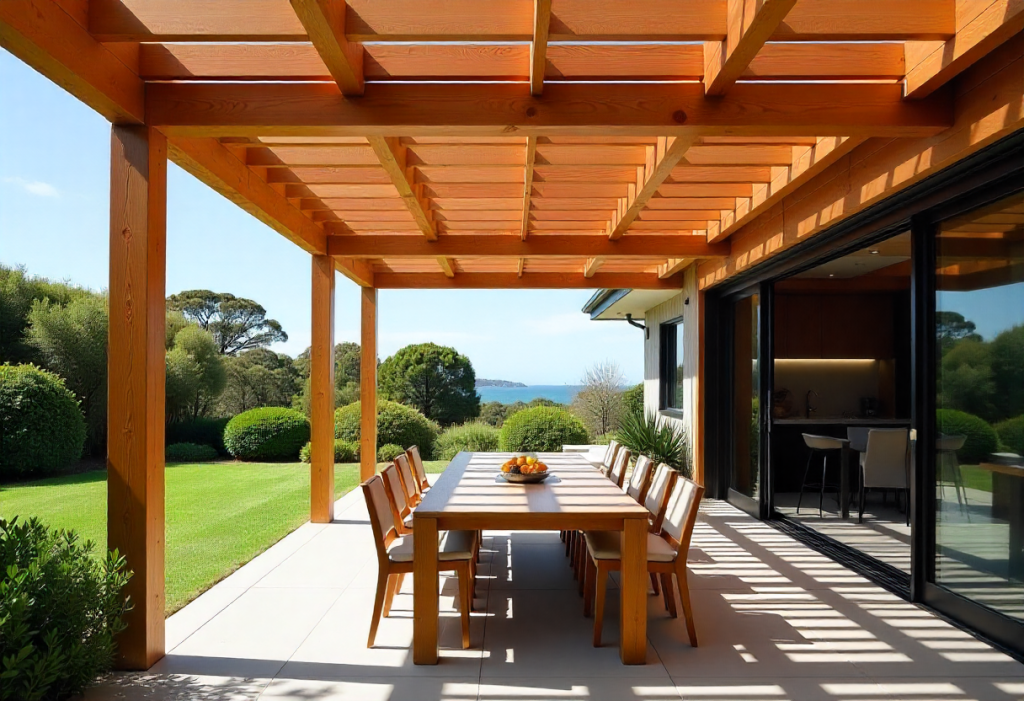
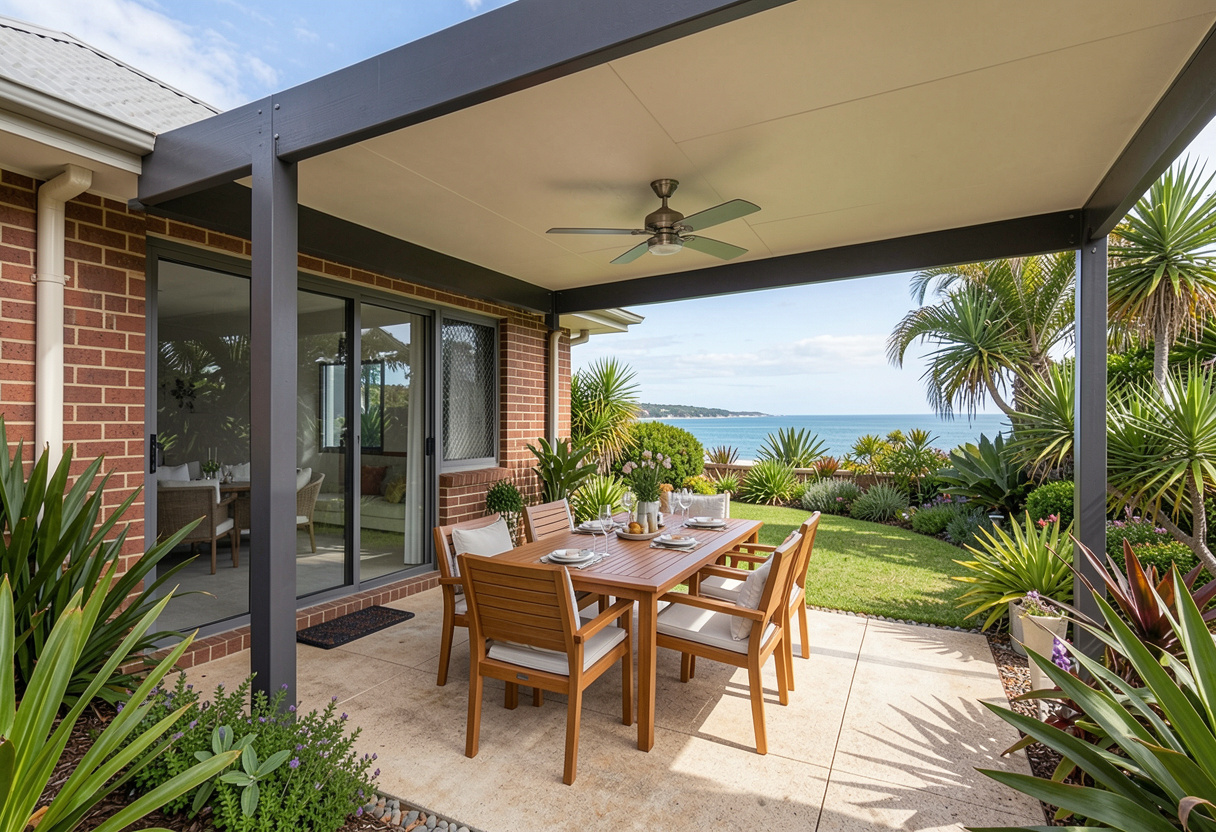
A carport is designed first and foremost to shelter a vehicle from sun, rain and hail — its layout, height and positioning are all built around parking. A pergola, by contrast, is built as an outdoor living space: somewhere to entertain, relax or extend your home's usable area outward. Both are open-sided structures, but the design priorities behind them are different.
See our Carports service →Coverage and Material Differences
Carports are typically built with a solid roof (often Colorbond steel) to give full weather protection for a vehicle, since intermittent shade isn't enough when you're protecting a car's paintwork and interior. Pergolas offer more flexibility in roofing style — from open lattice for dappled shade through to solid or louvred roof systems for full weather protection — because the priority is comfort for people rather than full enclosure for a vehicle.
Framing materials overlap between the two: both can be built in timber, aluminium or steel, so material choice isn't usually what separates a carport from a pergola — the roofing style and intended use are the bigger factors.
Can One Structure Do Both Jobs?
Sometimes, yes. An attached pergola with a solid roof positioned over a driveway can provide genuine vehicle protection while still reading as a pergola-style structure, and some carports are designed with entertaining areas built in alongside the parking bay. This is exactly the kind of trade-off worth discussing during a site assessment, since the right answer depends on your block layout and what you actually need day to day.
How to Decide Which One You Need
If protecting a vehicle is the main goal, a carport with a solid roof is the more direct solution. If the goal is extra outdoor living space — entertaining, shade over a deck or patio — a pergola is the better starting point. Many Central Coast homes end up with both: a carport for the vehicle and a separate pergola for outdoor living.
See a local project example in Woy Woy →What Actually Drives the Cost Difference
Cost isn't really a function of "carport vs pergola" as categories — it comes down to size, roofing style and materials, which is why two structures of the same type can vary significantly in price. A single carport with a basic Colorbond roof, for example, is a comparatively affordable way to protect one vehicle, with straightforward single carport builds on the Central Coast typically running in the $8,000–$15,000 range depending on size and finish.
Pergola pricing follows the same logic in reverse — a simple open-lattice structure in treated pine sits at the more affordable end, while a louvred-roof pergola in premium hardwood or aluminium with motorised controls sits well above that. Roofing style tends to move the price more than the frame material does, since full weather protection (solid or louvred roofing) costs more than an open-beam design regardless of whether the structure is technically a carport or a pergola.
The only reliable way to compare costs for your specific situation is a written quote based on your actual block and requirements — which is exactly what a free on-site assessment gives you, rather than a generic price range that may not reflect your project.