
Central Coast, NSW
Single Carports Central Coast
Free on-site quotes for single carports — council approval guidance included.
- Free On-Site Quotes
- Council Approval Guidance
- Central Coast Local
Get a Free Quote
Fill in our quote form below and we’ll be in touch.
The company has been building quality single carports across Gosford, Terrigal, Woy Woy, Erina, and Wyong for years. These structures aren't just about keeping rain off your windscreen—they're about protecting one of your biggest investments from the harsh Australian elements. A well-built single carport means less washing, less maintenance, and a vehicle that looks better for longer. Whether you're covering your daily driver or protecting a second vehicle that doesn't fit in the garage, a single carport delivers practical benefits that Central Coast homeowners appreciate every single day.
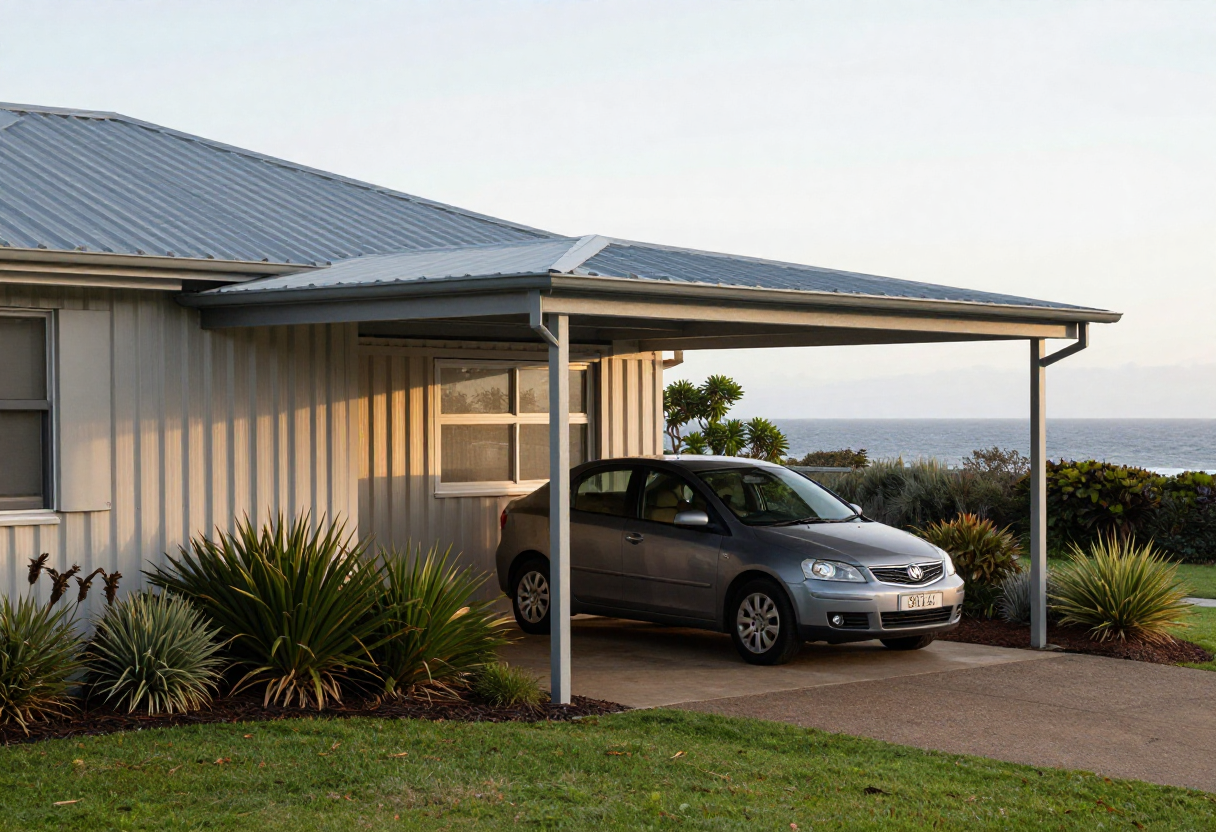
A single carport is a roofed structure built specifically to shelter one vehicle. It's got a solid roof supported by posts, and the sides are typically open for easy drive-in, drive-out access.
Building a full garage can set you back tens of thousands, but single carports deliver vehicle protection at a fraction of the cost. You're getting the weather shelter you need without the expense of walls, doors, and fancy finishes. That makes them a smart choice for budget-conscious homeowners.
The open sides mean you can park quickly without fumbling with garage doors or worrying about tight clearances. There's plenty of ventilation too, which stops that stuffy, hot feeling you get in closed garages during summer.
The roof keeps rain, hail, and direct sunlight off your vehicle. That means your car's paint won't fade as quickly, and the interior stays cooler on hot days.
Standard single carports work perfectly for regular sedans, SUVs, and utes. If you've got a taller vehicle like a small van or a lifted 4WD, the height can be adjusted to suit.
Single carports deliver real protection without breaking the bank. You're looking at a structure that does the job properly without all the extras you don't really need. For families managing tight budgets, that's a big win that still protects their second-biggest asset after the house.
Central Coast weather can be brutal on vehicles. One minute it's blazing sun, next minute it's a sudden hailstorm. A carport roof takes the hit so your car doesn't. That means no more dents from hail and no more scorching hot metal when you need to drive somewhere.
Direct UV exposure degrades car paint faster than most people realize. The clear coat oxidizes, colors fade, and before you know it your car looks older than it is. Inside, the dashboard cracks, seats fade, and plastic trim deteriorates. A carport stops all that damage before it starts.
Anyone living near trees knows the constant battle with leaves, sap, and bird mess all over their car. It's not just annoying—bird droppings are acidic and can permanently damage paint if left too long. A carport roof stops most of this falling directly onto your vehicle.
Park your car in direct sun for a few hours and the interior temperature can hit 60+ degrees. That's uncomfortable and dangerous, especially if you've got kids. A shaded carport can reduce interior temperatures by 20-30 degrees, making your car immediately drivable when you need it.
All this protection adds up to a vehicle that looks and runs better for longer. When you go to sell or trade in, a car that's been garaged or carported will always fetch more than one that's been exposed to the elements. That's money back in your pocket down the track.
Flat roof carports suit contemporary architecture perfectly. They create clean, horizontal lines that complement modern house designs. The slight fall for drainage is barely noticeable, and the minimalist look appeals to homeowners who want something sleek and simple that doesn't dominate the property.
A gable roof carport has that classic pitched roof shape that matches traditional Aussie homes. It provides extra height in the center and better water runoff during heavy rain. This style looks at home next to weatherboard or brick houses built in the last few decades.
Skillion roofs angle in one direction, creating a modern, angular look that's grown really popular lately. They're great for properties with limited height clearance or where you want to maximize height on one side. Water drains efficiently, and they can be angled to catch or block specific sun angles.
Attached carports connect directly to your home, usually extending from the garage or side of the house. They create covered access from car to door, which is handy in the rain. Freestanding carports sit separately, giving you more flexibility with placement and keeping the house structure independent.
Steel framing provides the strength needed to handle Central Coast winds and weather. It won't warp, twist, or rot like timber can over time. Modern steel frames are engineered to specific load ratings, which means they're built to handle the exact conditions they'll face on your property.
Colorbond steel is the standard for Australian carport roofing, and for good reason. It's tough, long-lasting, and comes in a range of colors to match your home. The coating resists corrosion from salt air, which matters up here on the coast where regular metal would rust through pretty quickly.
Powder coating creates a tough barrier against salt spray and moisture. The finish is baked on, making it more durable than paint. This treatment on steel posts and beams means your carport keeps looking good even when it's copping salt-laden winds off the ocean.
Some homeowners prefer the look of timber posts, especially if they're matching an existing deck or outdoor area. Treated pine or hardwood posts can work well in carport construction. They need proper treatment for termite and moisture protection, but they deliver that natural aesthetic some properties call for.
Aluminium framing offers excellent strength-to-weight ratio and never rusts. It's naturally resistant to coastal corrosion without needing coating. While it costs a bit more than steel, some homeowners choose it for specific design requirements or where weight on existing structures is a consideration.
Everything that goes into these carports is chosen because it handles our specific environment. That means accounting for salt air from the ocean, UV intensity, high winds, and the temperature swings we get throughout the year. Using the right materials from the start prevents problems later on.
Daily Driver Protection for Families: Most families use their carport to protect the main car they drive every day. That's the vehicle doing school runs, commuting to work, and weekend errands.
Second Vehicle Coverage Beside Garage: If your single garage is full and you've got two cars, a carport beside it protects that second vehicle without the expense of extending the garage.
Visitor or Guest Parking Shelter: Some homeowners install carports specifically for visitor parking. This gives guests somewhere decent to park that's protected from weather.
Classic or Vintage Car Protection: Older cars need extra protection from the elements because their paint and trim weren't built to handle modern UV levels.
Work Vehicle or Tradie Ute Coverage: Tradies often park their work utes at home, and these vehicles carry expensive tools and equipment. A carport keeps the vehicle and its contents protected from weather.
FAQs About Single Carports
How long will a single carport last on the Central Coast?
A properly built carport using quality materials should last 20-30 years minimum on the Central Coast, even with our salt air and weather conditions. The Colorbond roofing typically comes with 10-15 year warranties, but in practice it lasts way longer when it's maintained properly. Steel frames with powder coating resist coastal corrosion really well, so you're not looking at rust issues after a few years like you might with cheaper materials. I've seen carports from 20 years ago still going strong because they were built right from the start with our coastal conditions in mind.
Do I need to install a concrete slab under my carport?
You don't absolutely need a slab, but it makes life easier if your budget allows for it. Most Central Coast carports work fine on compacted gravel or existing driveways, as long as the ground drains properly and doesn't turn into a mud pit when it rains. A slab gives you a clean surface that's easier to keep tidy and stops weeds growing through, plus it creates better stability for the posts. If you're parking on a slope or in an area that gets boggy, I'd recommend the slab—it's worth the extra investment.
Can a single carport handle Central Coast storms and strong winds?
Yeah, they're engineered specifically for our wind conditions here on the coast. We build to wind ratings that account for the northeasterlies and storm fronts that roll through, using properly sized footings and structural connections that won't fail when it blows. The key is making sure the engineering is done right and the installation follows those specs exactly—that's where some of the cheaper operators cut corners. I've never had a properly engineered carport fail in a storm, even when we've copped some pretty wild weather over the years.
Will adding a carport increase my property value in Central Coast suburbs?
Most real estate agents around Gosford, Terrigal, and Erina will tell you a carport adds $8,000-$15,000 to your property value, sometimes more in areas where parking is tight. Buyers see it as one less thing they need to do, and it shows the property's been maintained and improved. The value boost isn't just about the money though—it helps your place sell faster because it appeals to families who need that extra covered parking. Properties with good covered parking options consistently perform better at sale time than similar homes without.
Can I enclose my carport with walls later if I want to?
You can definitely add walls down the track, though you'll need to check with council about approval since you're basically converting it to a garage at that point. The existing structure needs to be built strong enough to handle the additional wind load that walls create, which most properly engineered carports already are. Adding roller doors, side panels, and even insulation is pretty straightforward as long as the framework can support it. Just factor that possibility in when you're planning the initial build—it's easier to design for future enclosure than to retrofit later.
Get Your FREE Quote!
Call Us At (02) 4019 2014 or send us your details below and we'll get back to you about your single carport.
